Global Economic History
My work in global economic history, some of it developed in collaboration with Giorgio Riello, explores how trade, migration, empire, technology, environment, and institutions connected different parts of the world over the long run. I argue that understanding economic change requires both comparison and connection: comparison to explain why regions followed different paths, and connection to show how those paths influenced one another. This perspective places Asia and Africa alongside Europe at the centre of historical inquiry, challenging the idea that Western industrialization provides a universal model of development. By linking global history to themes such as colonialism, business, climate, and state formation, I seek to explain the diversity of human economic experience in an interconnected world.
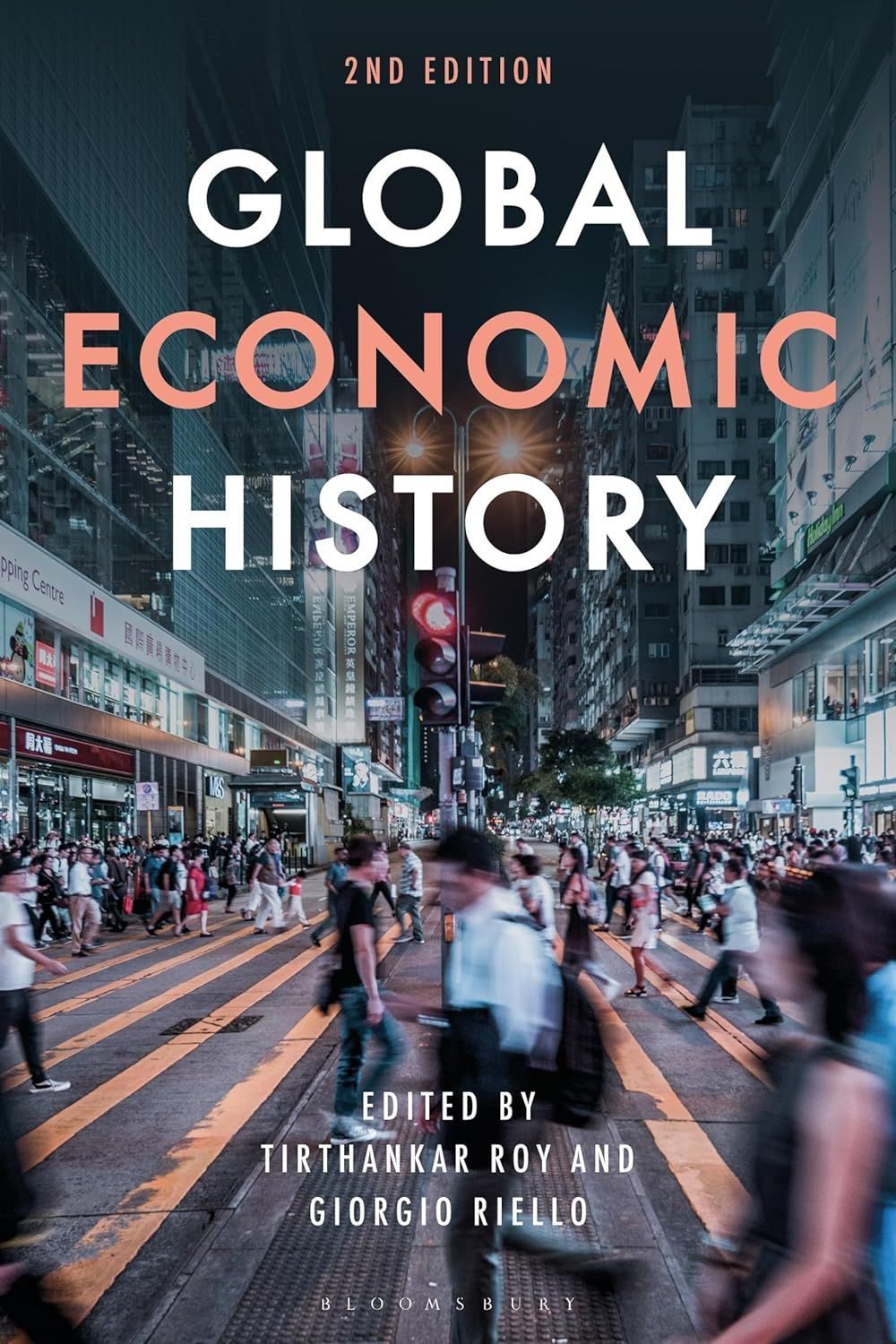
Global Economic History, 2nd Enlarged and Revised Edition (Bloomsbury, 2024) brings together leading scholars to explore the major themes and debates in global economic history from the sixteenth century onward. Covering Africa, Asia, Europe, and the Americas, it examines trade, labour, industrialization, empire, capitalism, and the environment, highlighting the interconnected nature of economic change and offering an accessible guide to the field’s central questions and methods.
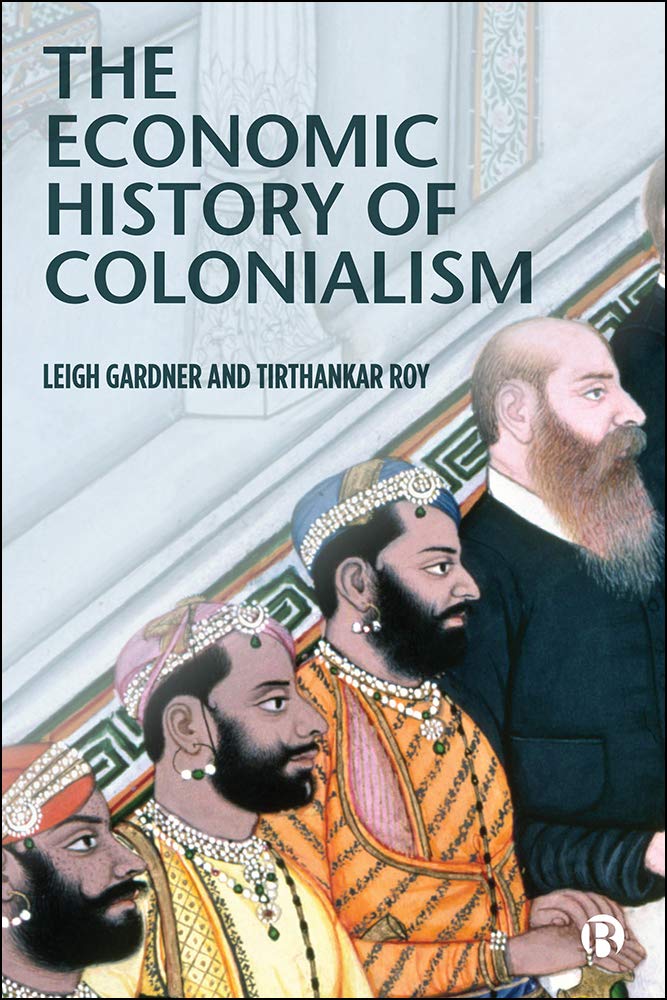
The Economic History of Colonialism (Bristol University Press, 2020) bridges empire and global history to examine how European colonial rule shaped economic development in Asia and Africa. Synthesizing a vast and contested literature, it compares colonial experiences across regions, introduces key analytical approaches, and connects colonialism to wider debates on globalization, migration, finance, and environmental change, offering an accessible guide to one of economic history’s central questions.