How Should We Teach the British Empire in the School Classroom?
In partnership with the London School of Economics (LSE) and the Historical Association, teachers in UK schools are developing new approaches to teaching the history and legacy of the British Empire. A short film and accompanying blog capture the aims of the project and the experiences of participating teachers:
Film: https://youtu.be/fTsXATNKwlY
Why teach this history? It helps students understand how connections between Europe, Asia, and Africa shaped the modern world, influencing living standards, economic development, institutions, and inequality. What should be taught? The Empire should be examined not only as a system of political domination but also as a force in globalisation, technological change, and economic transformation. How should it be taught? By asking focused historical questions and testing answers against evidence. Using graphs, photographs, official records, and personal testimonies encourages students to think critically about how people experienced empire and how historians construct interpretations of the past.
An extraordinary book project, and ongoing campaign cum educational initiative led by Weavers Studio Centre, Kolkata, with which I have collaborated,
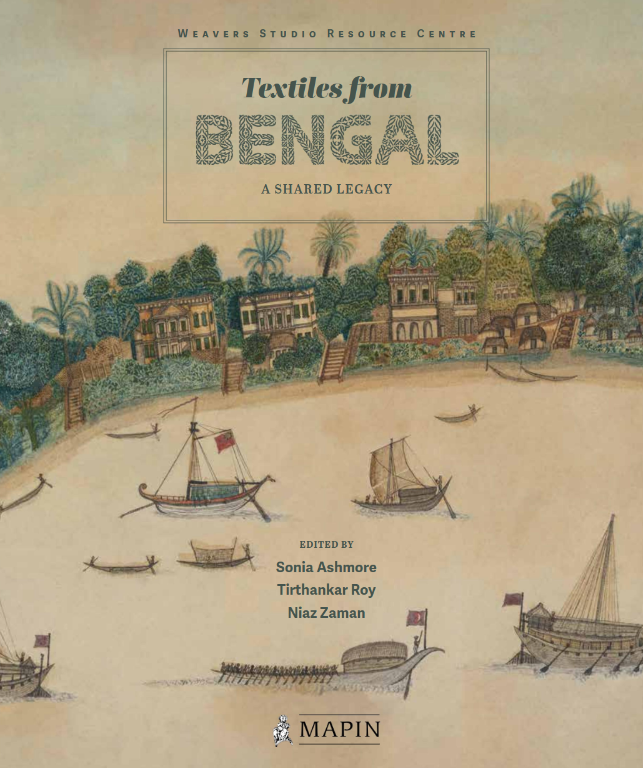
Textiles from Bengal
challenges the familiar idea that textile history belongs mainly to museums, archives, or academic specialists. Instead, it shows how historical knowledge can be a practical resource for designers, weavers, collectors, entrepreneurs, and consumers. By bringing together historians with makers and cultural practitioners across India and Bangladesh, the project demonstrates that textile traditions are living systems of knowledge, creativity, and innovation rather than relics of a vanished past. Its central message is that understanding how textiles were made, traded, adapted, and valued over time can enrich contemporary design, strengthen heritage preservation, and expand markets for handcrafted products. In doing so, the project offers a model for connecting scholarship, craft practice, and public engagement in ways that benefit both cultural heritage and creative industries.